 Thirty North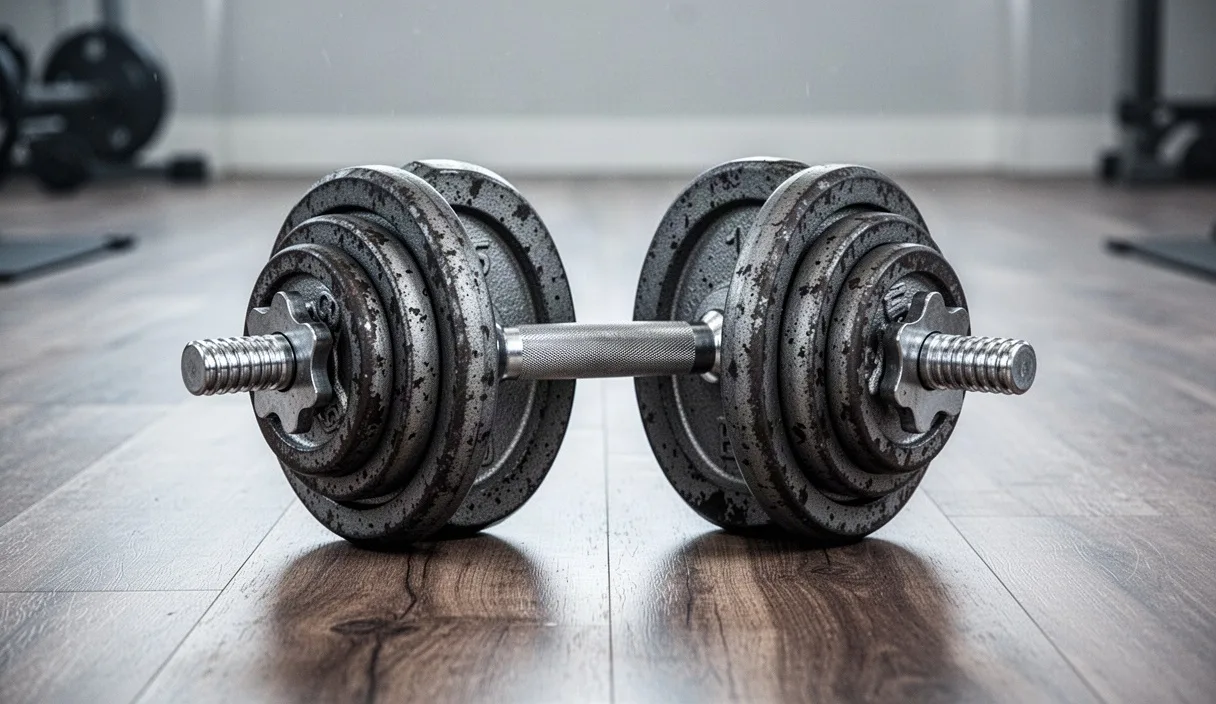
We think about strength training the way we think about any good craft: the tools matter less than how you handle them, and the handling matters less than the repetition. After 30, our joints carry more mileage, our recovery windows shift, and the shortcuts we took at 22 start costing us the next morning. None of that means we need to overhaul everything we know about lifting. It means we build with a little more attention to grain and load, the same way a woodworker respects a knot in the board instead of forcing a cut through it.
This guide lays out a routine we'd actually build for ourselves: two sessions a week, a short list of equipment, and a sequence that treats joints as part of the material, not an afterthought. We'll walk through the reasoning at each step, because understanding why a routine is shaped the way it is makes it far easier to adjust when life gets in the way.
Why the Basics Still Work After 30
Muscle tissue responds to load at any age. What changes after 30 is the surrounding infrastructure: tendons stiffen slightly, joint fluid production can slow, and the margin for sloppy form narrows. This doesn't call for exotic programming. It calls for the same handful of movement patterns, done consistently, with enough attention to warm-up and range of motion that the tissue is ready before it's asked to work.
Compound lifts like squats, hinges, presses, and rows still do the heavy lifting, literally. They recruit multiple joints and muscle groups at once, which means more return per session and less time spent chasing isolated muscles that rarely need isolated attention outside of rehab work. A basic routine built on five or six of these patterns will outperform a scattered list of machine exercises almost every time.
The other reason basics hold up is psychological, not just physical. A simple routine is one you can remember without checking your phone, which means you actually do it. Complexity is often the first thing to get abandoned when a week gets busy, and consistency, done over months, matters more than any single "optimal" program.
Choosing Your Equipment: What You Actually Need
We'd rather buy fewer things and use them well than fill a garage with equipment that gathers dust. For a home-based strength routine after 30, the material list is short and each piece earns its place through versatility, not novelty.
- A pair of adjustable dumbbells or a small rack (5 to 50 lbs in 5 lb increments): covers presses, rows, lunges, and carries.
- A sturdy flat bench or a step platform: useful for presses, step-ups, and elevated push-ups.
- A resistance band or two (light and medium tension): ideal for warm-ups and joint-friendly rotator cuff work.
- A pull-up bar, doorframe-mounted or freestanding: for rows and eventual pull-up progressions.
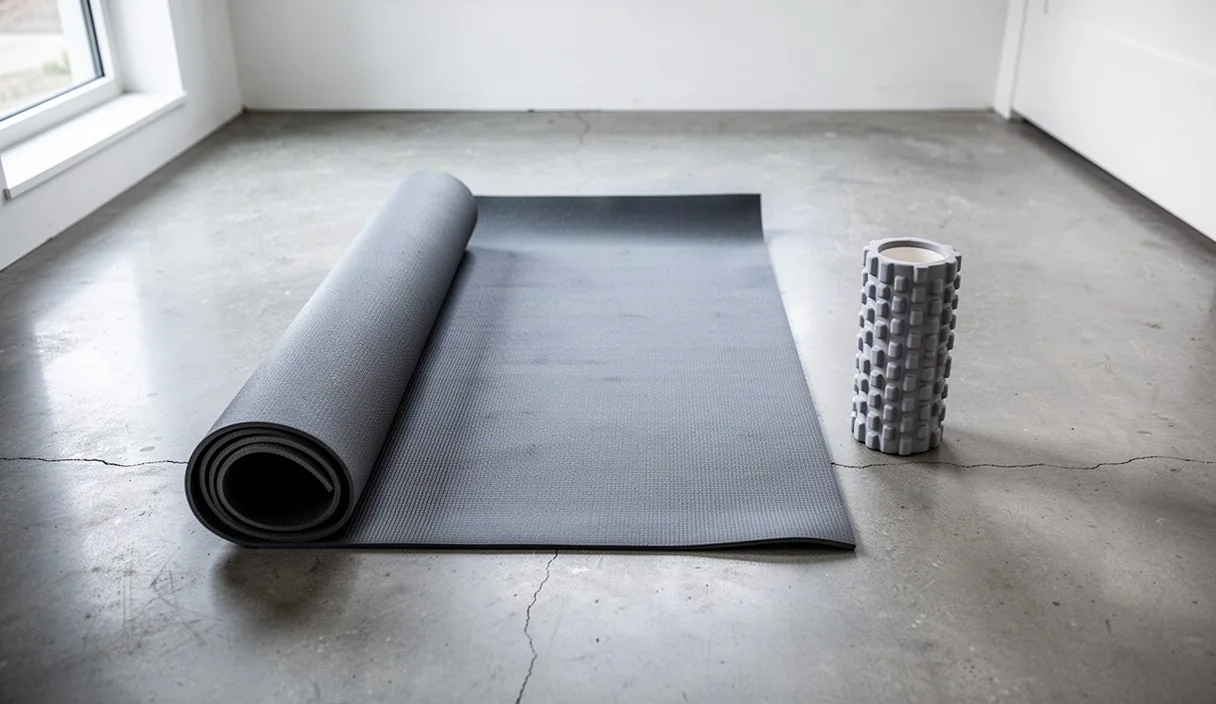
- A yoga mat or interlocking foam tiles: protects knees and elbows during floor work.
If a gym is more your setting, the equivalent list is a barbell and plates, a cable stack or set of resistance bands, and a bench. Either way, we're not chasing gadgets. The tactile difference between a knurled barbell and a smooth dumbbell handle matters more for grip confidence than any app or wearable will.
Building the Weekly Schedule
Two focused sessions a week, spaced with at least one rest day between them, is enough to build and maintain strength for most people over 30 who aren't training for competition. This isn't a compromise. It's a deliberate choice that respects recovery time, which tends to run longer after 30 than it did a decade earlier.
A common layout: Monday and Thursday, or Tuesday and Friday, leaving the weekend open for walking, mobility work, or simply rest. Each session runs 40 to 55 minutes including warm-up, which is long enough to cover the full body without rushing the joints into heavy load cold.
| Day | Focus | Duration |
|---|---|---|
| Day 1 | Lower body push, upper body pull, core | 45-50 min |
| Rest or light walk | Recovery | - |
| Day 2 | Lower body pull, upper body push, carries | 45-50 min |
| Rest, mobility, or hike | Recovery | - |
If someone wants a third day, we'd add a short 20-minute session focused purely on mobility and light band work rather than another heavy lifting day. Three heavy days a week is workable for some, but it demands more sleep and more attention to soreness than most schedules after 30 comfortably allow.
Sequencing Exercises for Joint Comfort
The order of exercises inside a session matters as much as the exercises themselves. We start every session with five to eight minutes of movement that raises tissue temperature and takes joints through their working range: hip circles, arm swings, bodyweight squats, and band pull-aparts. Cold tissue under load is where most avoidable strains happen.
After warm-up, we sequence from the largest, most joint-demanding movement to the smaller, more isolated ones. A squat or deadlift variation comes before a bicep curl, because the big compound lift needs fresh joints and full concentration, while the smaller movement can be done competently even when fatigue has set in.
- Warm-up and mobility (5-8 minutes)
- Primary compound lift (squat, hinge, or press variation)
- Secondary compound lift (row, lunge, or pull)
- Accessory work (core, calves, shoulders)
- Cool-down stretch, focusing on hips and shoulders
This sequence also protects knees and shoulders specifically, since those joints tend to complain first after 30 if they're asked to stabilize a heavy load before they've been warmed through a full range of motion.
How and When to Add Weight
Progression should feel almost boring: small, steady increases rather than dramatic jumps. A useful rule is to add weight only when the current load can be lifted for all prescribed sets and reps with good form and at least one rep left in reserve. For most lower-body lifts, that means adding 5 to 10 lbs; for upper-body presses and pulls, 2.5 to 5 lbs is a more reasonable jump given the smaller muscle groups involved.
We track this on paper or in a basic notes app: date, exercise, weight, sets, reps. It sounds unglamorous, but a written log removes the guesswork of "did I do more last week?" and gives an honest record of what the joints have actually handled recently.
A workable model is double progression: first increase reps within a set range (say, 8 to 12), and only once the top of that range is hit comfortably across all sets, increase the weight and drop back to the bottom of the rep range. This keeps tendons and connective tissue, which adapt more slowly than muscle, from being overtaken by strength gains that outpace their readiness.
Signs You're Overdoing It
Soreness that fades within 48 hours is normal. Soreness that intensifies, spreads to a joint rather than a muscle belly, or lingers past three days is worth paying attention to. So is a change in how a joint feels during daily activity, like stairs or getting up from a chair, outside of the gym.
- Sharp or pinching pain during a lift, as opposed to a dull muscular burn
- Persistent joint swelling, especially in knees or elbows
- Sleep disruption that wasn't there before starting the routine
- A consistent drop in performance across three or more sessions despite adequate rest
Any of these is a reasonable cue to scale back load, extend rest between sessions, or check in with a physical therapist or physician, particularly if pain is joint-specific rather than muscular. We're not medical professionals, and persistent pain deserves a real diagnosis, not a guess from an article.
A Sample Two-Day Routine
Here's a starting template. Weights should be chosen so the last two reps of each set feel genuinely challenging but not form-breaking.
| Day 1 | Sets x Reps |
|---|---|
| Goblet squat | 3 x 10 |
| Bent-over dumbbell row | 3 x 10 |
| Incline push-up or dumbbell floor press | 3 x 10 |
| Reverse lunge | 2 x 10 per leg |
| Dead bug (core) | 2 x 12 per side |
| Day 2 | Sets x Reps |
|---|---|
| Romanian deadlift (dumbbell or barbell) | 3 x 10 |
| Standing dumbbell overhead press | 3 x 10 |
| Assisted or band-supported pull-up | 3 x 6-8 |
| Farmer's carry | 3 x 30 seconds |
| Side plank | 2 x 20 seconds per side |
This layout takes roughly 45 minutes per session once warm-up and rest between sets is accounted for. It covers every major movement pattern, keeps joints in a comfortable middle range of motion, and leaves enough room to progress steadily for several months before any real reworking is needed.
Common Mistakes
The most frequent error we see is skipping warm-up to save time, which is exactly backward: five minutes of preparation protects the other fifty. A second is jumping weight increases too aggressively, chasing numbers instead of clean form. A third is training through joint pain rather than muscular fatigue, assuming both feel the same. And a fourth is abandoning the routine after a missed week instead of simply picking back up where the log left off.
Getting Started
Pick two days this week, gather the short list of equipment above or find a gym with a bench, dumbbells, and a bar, and run the sample routine as written for four weeks before changing anything. Keep the log. Watch how the joints feel on the third day after a session, not just the first. If something nags rather than simply aches, that's the moment to ease off and, if it persists, talk to a professional who can look at the joint directly rather than guess from a description. The material here, muscle, tendon, and habit, responds best to patience and steady handling, not urgency.