 Thirty North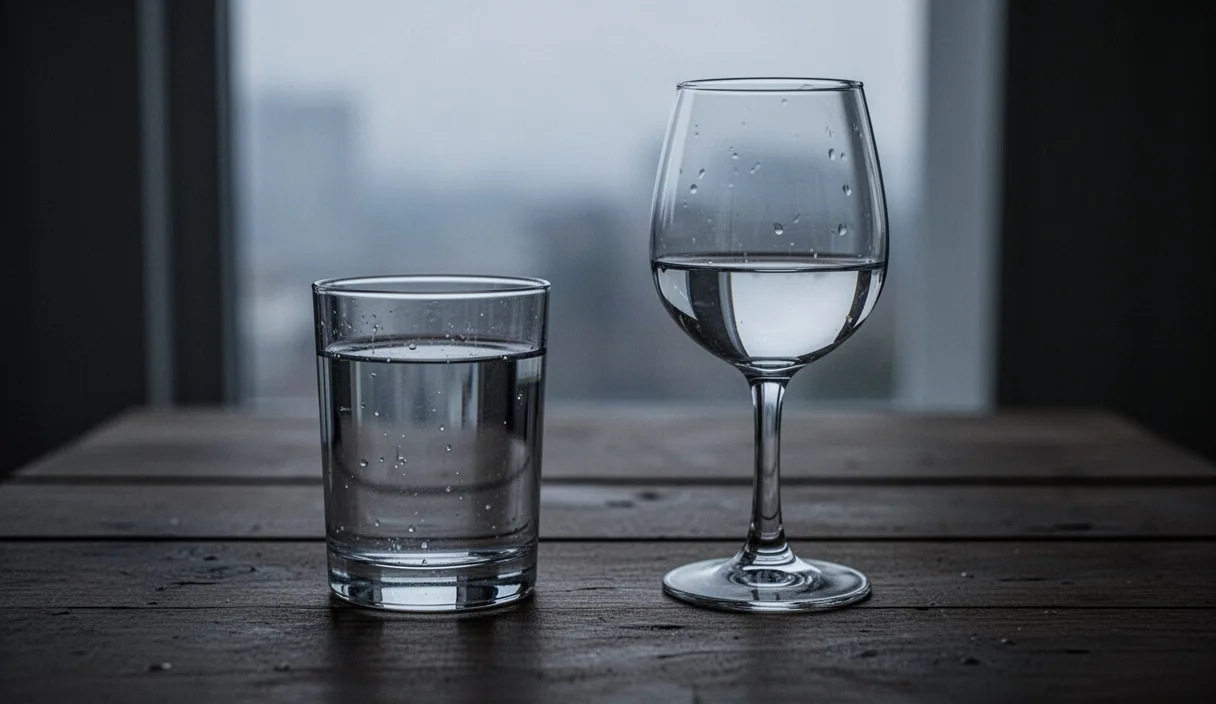
We noticed it first at a friend's birthday dinner: the same three glasses of wine that used to carry us through dessert and conversation left us checking the time by nine, wanting a bed and a glass of water instead of a second round. Nothing dramatic happened. No one got sick. But the evening felt different in the body, and that difference is worth paying attention to rather than shrugging off as "getting old."
This piece is about learning to read those signals the way we'd read any material we work with often: noticing grain, weight, and how it responds under different conditions. Alcohol tolerance after 30 isn't a switch that flips on a birthday. It's a slow shift in several overlapping systems, and once we know what's changing, we can plan a night out, a recovery day, or a longer break with more precision and less guesswork.
Why Alcohol Feels Different After 30
Body composition changes gradually through our 30s. Lean muscle mass tends to decrease while fat tissue makes up a slightly larger share of total body weight, even if the number on the scale hasn't moved. This matters because alcohol distributes through body water, and muscle holds more water than fat does. Less muscle means less water volume to dilute the alcohol we drink, so the same three drinks produce a higher blood alcohol concentration than they did a decade earlier.
Liver enzyme activity also slows with age, particularly alcohol dehydrogenase and the CYP2E1 pathway that helps break down acetaldehyde, the compound responsible for a lot of the next-day misery. A liver that processed a standard drink in roughly one hour at 24 may need seventy or eighty minutes at 34. It's a small shift per drink, but it compounds across an evening.
Hormonal changes play a role too. Estrogen and natural vitality both decline gradually starting in the early-to-mid 30s for most people, and both hormones influence how the liver metabolizes alcohol. This is one reason many women notice a sharper change in tolerance than men do over the same age range, though individual variation is wide enough that broad rules rarely fit everyone precisely.
None of this means we're suddenly fragile. It means the raw material, our own body, has different properties than it did at 24, and drinking the same way without adjusting is a bit like using the same amount of glue on a thinner sheet of veneer. The proportions need recalibrating.
How Metabolism and Sleep Interact With Drinking
Alcohol is metabolized almost entirely by the liver, at a fairly fixed rate regardless of how fast we drink: roughly one standard drink (14 grams of pure alcohol, the equivalent of a 12-ounce beer, a 5-ounce glass of wine, or a 1.5-ounce shot of spirits) per hour for an average-sized adult. That rate doesn't speed up with caffeine, cold showers, or exercise. What changes with age is the starting efficiency of that rate, as covered above, and how the aftermath interacts with sleep.
Alcohol fragments sleep architecture even when it helps us fall asleep faster. It suppresses REM sleep in the first half of the night, then causes a rebound and more fragmented sleep in the second half as blood alcohol drops. In our 20s, a night of broken sleep was recoverable with one solid night afterward. After 30, sleep debt seems to stack more visibly: many people report needing two nights of good sleep to feel fully reset, not one.
This interaction matters because poor sleep itself worsens insulin sensitivity and next-day appetite regulation, which is part of why a heavy drinking night now seems to come with a harder crash and stronger cravings the following day than it used to. It's not that willpower has weakened. The physiological floor is different.
A practical marker we've started using: track how many hours pass between the last drink and waking up feeling like ourselves, not just awake. If that number has stretched from six hours to nine or ten, that's useful data, not a failure.
Reading Your Own Recovery Time
Recovery time is personal and worth tracking like any other maintenance schedule. A simple way to do this without turning it into a chore is to note three things after a night with more than two drinks: hours of sleep, resting heart rate the next morning if we have a way to check it, and a rough energy rating from one to ten by midday.
Resting heart rate is a particularly good marker because alcohol is a mild diuretic and a vasodilator, and dehydration plus disrupted sleep both tend to elevate it the next morning. A rise of five to ten beats per minute above our usual baseline is common after a moderate night out. If we see a rise of fifteen or more, or if it takes more than two days to settle back to baseline, that's a sign the previous night's drinking outpaced current recovery capacity.
Here's a rough comparison of what recovery markers might look like at different points in adult life, based on commonly reported patterns rather than fixed rules:
| Marker | Typical in mid-20s | Typical after 30 |
|---|---|---|
| Hours to feel "normal" after 3-4 drinks | 6-8 hours | 10-14 hours |
| Resting heart rate rise next morning | 3-6 bpm | 5-10 bpm |
| Sleep needed to fully recover | 1 night | 1.5-2 nights |
These numbers are illustrative, not diagnostic. What matters more than matching a chart is noticing our own trend line over a few months.
Practical Ways to Pace a Night Out
Pacing is less about drinking less overall and more about giving the liver time to keep up with intake, so blood alcohol concentration rises more gradually and peaks lower. A few methods we've found genuinely change how the next day feels:
- One drink per hour as a ceiling, not a target. This roughly matches average metabolic clearance, so blood alcohol concentration doesn't climb steadily through the night.
- Alternate with water or soda water, not juice. A full glass between each alcoholic drink slows consumption pace naturally and helps with the dehydration side of the hangover, though it does nothing to change actual blood alcohol level.
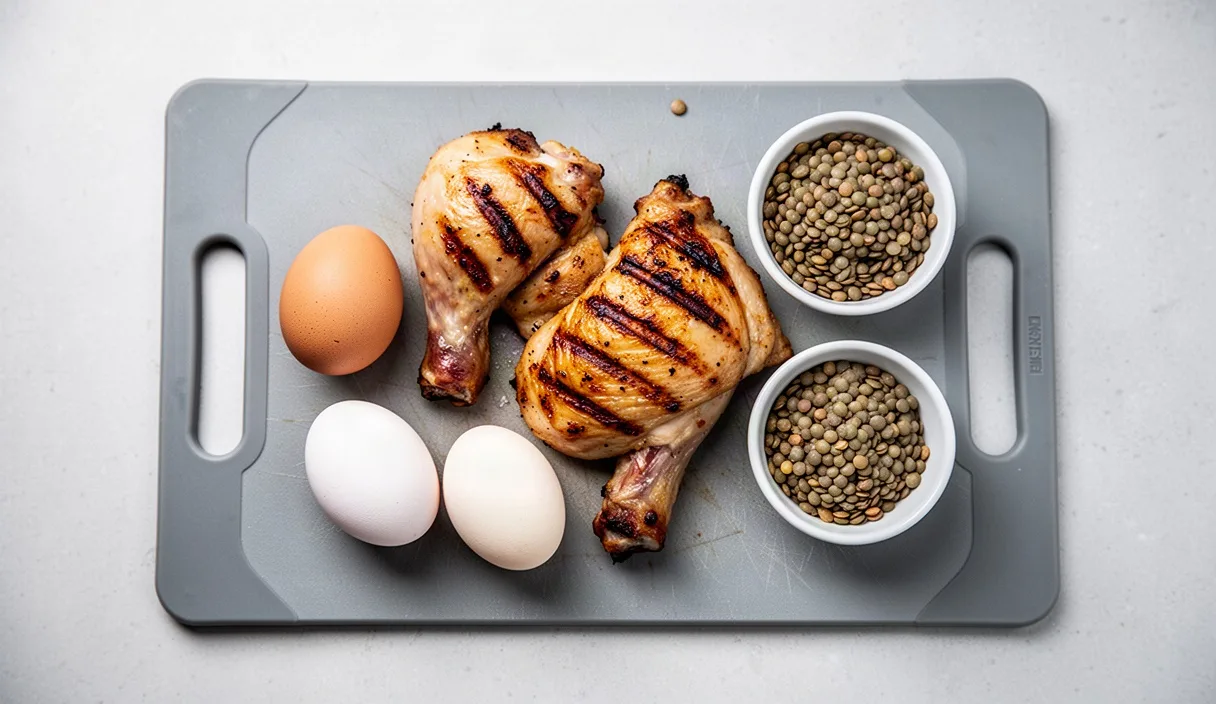
- Eat protein and fat before drinking, not just carbs. Food slows gastric emptying, which slows how quickly alcohol reaches the small intestine where most absorption happens. A meal with protein and some fat 30-60 minutes before the first drink noticeably flattens the absorption curve compared to drinking on an empty stomach.
- Choose lower-ABV options later in the night. Switching from a 14% wine to a 4-5% beer for the last round is an easy way to reduce total grams of alcohol without feeling like we're "quitting early."
- Set a stop time before the second drink, not after the fifth. Deciding in advance when the last drink will be, rather than deciding in the moment, removes a decision point when judgment is already affected.
None of these guarantee a good next morning. They just stack the odds a bit more in our favor, the same way clamping a joint properly doesn't guarantee a perfect glue-up but makes one far more likely.
When It's Worth Cutting Back for a While
There's a difference between adjusting pace and deciding a break is worth taking. A few honest signals that it might be time to scale back for a few weeks: waking heart rate staying elevated for more than two or three days after a single night of drinking, needing alcohol to unwind on most weeknights rather than occasionally, or noticing that two drinks now produce the fog that used to take five.
A structured way to test this without overhauling everything at once is a two-to-four week reset: no alcohol at all, with attention paid to sleep quality, morning energy, and any changes in resting heart rate or blood pressure if those are being tracked. Many people are surprised by how much clearer mornings feel within the first ten days, though everyone's timeline differs.
If cutting back feels genuinely difficult, if there's anxiety, shakiness, or strong cravings when trying to stop, that's a signal worth taking seriously and bringing to a doctor rather than managing alone. Dependence can develop quietly, and a medical professional can assess it properly; this article isn't a substitute for that conversation.
Signs Your Habits Have Shifted Without Noticing
Habits tend to drift before we notice the drift. A few quiet markers worth checking against six months or a year ago: is the "one glass while cooking" now regularly two, is a work week without any alcohol unusual rather than typical, and has the amount needed to feel relaxed crept up.
Another marker is context creep, when drinking starts happening in more situations than before: not just social dinners, but also alone on a weeknight, or as a response to stress rather than to celebration. This shift in why we're drinking is often more telling than the raw quantity.
Keeping a simple two-week log, just drink count and rough mood or stress level for that day, tends to reveal patterns faster than trying to recall from memory. Most people underestimate their weekly total by close to a third when asked to guess without tracking.
Common Mistakes
A few patterns we see repeated often: assuming tolerance decline is linear and permanent (it fluctuates with sleep, hydration, and even season); using caffeine or cold water to "sober up" faster (neither speeds liver metabolism); comparing our recovery to someone else's without accounting for body composition or medication use; and treating a single rough morning as proof of a bigger problem rather than checking the trend over several weeks.
Next Steps
The most useful thing we can do is treat this the way we'd treat any material we're getting reacquainted with: observe before adjusting. For the next month, note drink count, sleep hours, and next-morning energy on the nights alcohol is involved. Compare that log against how things felt a year or two ago, not against a generic guideline. If the pattern shows recovery consistently stretching past two days, or if cutting back feels harder than expected, a conversation with a doctor is a reasonable and low-cost next move. Tolerance changes with age; reading it accurately just takes a bit of ordinary attention.