 Thirty North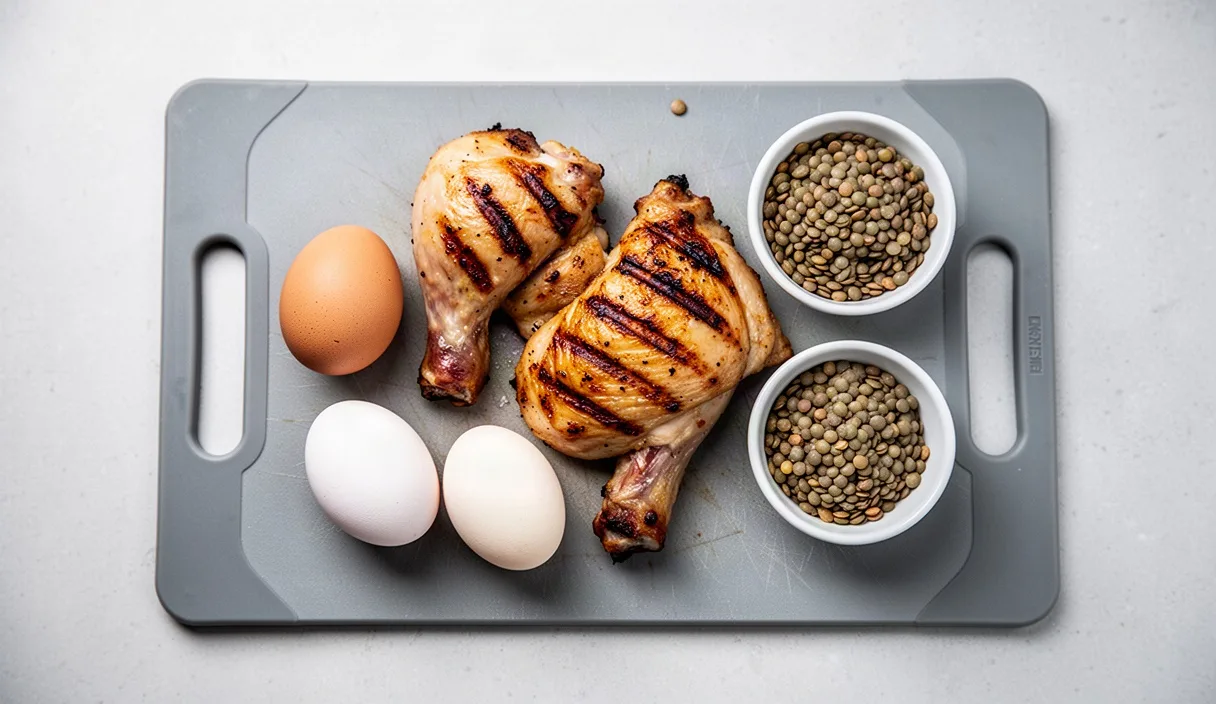
We think about protein the way we think about good material in a workshop: quality and timing matter as much as quantity. After thirty, the body's relationship with muscle changes quietly in the background, and the meals we build day to day either work with that shift or against it. This isn't about hitting a number once a day and calling it done. It's about spreading the raw material across the day so the body actually has something to build with when it needs it.
What follows is a practical, hands-on breakdown: how much protein each meal actually needs, how to eyeball it without pulling out a kitchen scale every time, which everyday foods do the heavy lifting, and how to build a shopping list that makes this easy instead of exhausting. We're not chasing perfection here, just a workable rhythm.
Why Protein Needs Shift After 30
Starting somewhere in our thirties, we begin losing a small amount of muscle mass each year if we're not actively working against it, a process researchers call sarcopenia when it becomes significant later in life. The early stages are subtle: a bit more fatigue, slightly slower recovery from a weekend of yard work, pants that fit differently even when the scale hasn't moved much. Muscle tissue is also metabolically active, so as it declines, so does some of our daily calorie burn.
There's also a phenomenon called sports nutrition resistance. In plain terms, older muscle tissue needs a slightly larger dose of protein in one sitting to trigger the same muscle-building response that a smaller dose used to trigger in our twenties. A 20-gram serving that once did the job may now need to be closer to 30 or 35 grams to get full value from that meal.
This doesn't mean the sky is falling. It means the margin for sloppy eating gets thinner. Skipping protein at breakfast and trying to make it up with a giant steak at dinner doesn't work as cleanly as it once might have, because the body can only use so much protein for muscle repair in a single window, roughly 3 to 4 hours of active use per feeding, after which the rest is mostly used for energy or stored.
How Much Is Actually Enough Per Meal
Most research on muscle protein synthesis in adults over 30 points to a range of 30 to 40 grams of protein per meal to maximize the building response. Below that, usually under 20 grams, the meal barely registers for muscle maintenance purposes. Above roughly 40 grams in one sitting, we're not wasting it, the extra gets used for energy or other tissue repair, but we're past the point of extra muscle-building return from that single meal.
Daily totals matter too, and a commonly cited target for active men over 30 is somewhere between 1.2 and 1.6 grams of protein per kilogram of bodyweight, though this varies by activity level, and anyone with kidney concerns or other medical conditions should check with a doctor or registered dietitian before changing intake significantly. For a 90-kilogram man, that lands between about 108 and 144 grams a day.
Here's how that breaks down across a typical day with three meals and one snack:
| Meal | Target protein | Example |
|---|---|---|
| Breakfast | 30-35g | 3 eggs + Greek yogurt cup |
| Lunch | 35-40g | Grilled chicken breast + lentils |
| Snack | 15-20g | Cottage cheese or protein shake |
| Dinner | 35-40g | Salmon fillet + side of beans |
That adds up to roughly 115 to 135 grams, sitting comfortably in the target range without any single meal feeling like a chore to finish.
Eyeballing Portions Without a Scale
We don't always have a kitchen scale on hand, especially when eating out or grabbing something from the fridge in a hurry. The palm method works well as a rough guide: a portion of meat, poultry, or fish roughly the size and thickness of your palm, not including fingers, generally lands between 20 and 30 grams of protein depending on the cut and cooking method.
A few more tactile reference points that don't require any equipment:
- A standard deck of playing cards is close in size to a 100-gram serving of cooked chicken breast, which runs about 30 grams of protein.
- A cupped hand holds roughly the volume of a cup of cottage cheese or Greek yogurt, landing around 20 to 25 grams.
- Two eggs plus a splash of milk in a scramble gets you to roughly 14 to 16 grams before you've added anything else to the pan.
- A fist-sized scoop of cooked lentils or beans is around 15 to 18 grams, useful for topping up a plant-based meal.
These aren't laboratory-precise, and cooking method changes things slightly, a fried piece of chicken loses a bit of protein density to breading and oil compared to a grilled one of the same size. But for daily use, eyeballing gets us within a few grams of accurate, which is close enough to build a consistent habit.
Everyday Foods That Cover the Gap
We don't need exotic ingredients to hit these numbers. Most of the work can be done with foods already sitting in a normal grocery cart, prepared simply.
- Eggs: about 6 grams each, cheap, quick to cook, and versatile enough for any meal of the day.
- Greek yogurt: plain, unsweetened varieties run 15 to 20 grams per cup, roughly double what regular yogurt offers.
- Chicken breast: around 30 grams per 100-gram cooked portion, a reliable anchor for lunch or dinner.
- Canned tuna or salmon: 20 to 25 grams per small can, useful for a fast lunch with almost no prep.
- Cottage cheese: often overlooked, but a cup delivers close to 25 grams and works as a snack or a base for a quick dip.
- Lentils and beans: around 15 to 18 grams per cooked cup, plus fiber, making them a solid option for meat-free days.
- Ground beef or turkey: roughly 22 to 25 grams per 100-gram cooked serving, depending on fat content.
Building a meal is often just a matter of pairing two of these together. A lunch of canned tuna over a bed of lentils, for example, stacks up to around 40 grams without any special shopping trip or prep beyond opening a can and reheating a pouch of pre-cooked lentils.
Do You Need a Supplement at All
Whey or plant-based protein powder is a tool, not a requirement. If we're already hitting our targets through food, a shake adds convenience but not much else. Where it earns its place is in the gaps: a rushed morning, a late meeting that pushes dinner back, or a day where appetite is low but the body still needs the raw material.
A standard scoop of whey protein isolate typically delivers 24 to 27 grams of protein for around 120 calories, which is a fairly efficient trade compared to trying to get the same amount from whole food in a hurry. Plant-based blends, often a mix of pea and rice protein, land in a similar range but sometimes need a slightly larger scoop to match the amino acid profile of whey.
That said, whole foods bring things a shake can't: fiber, micronutrients, and the simple satisfaction of chewing something at the end of a long day. We'd treat a shake as a backup plan rather than the backbone of a protein strategy, and anyone with existing kidney issues, digestive conditions, or who is on medication should talk to a doctor or dietitian before adding a new supplement regularly.
Building a Simple Weekly Shopping List
A workable list doesn't need to be complicated. We usually build ours around a rotation of two or three protein sources for each meal type, so nothing gets boring by Wednesday.
- Pick one breakfast protein: a dozen eggs, or a tub of plain Greek yogurt, or both if the week is long.
- Pick two lunch proteins: chicken breast for meal prep, plus a few cans of tuna for backup days.
- Pick one dinner protein that rotates: salmon fillets one week, ground turkey the next, lean beef after that.
- Add a plant-based option regardless of diet style: dried or canned lentils and black beans, useful as a side or a bulking agent in any dish.
- Keep one shelf-stable backup on hand: a bag of protein powder or a box of protein bars for the days nothing else is ready.
A rough weekly total for one person following this pattern lands around 1.5 kilograms of poultry or fish, a dozen eggs, two tubs of yogurt or cottage cheese, and a couple cans of beans or lentils, which covers most of the 30 to 40 gram-per-meal target without needing to think too hard about it once the groceries are home.
Common Mistakes
The most frequent misstep is loading protein at dinner and leaving breakfast nearly empty, a toast-and-coffee start followed by a protein-heavy final meal. Given how sports nutrition resistance works, this uneven pattern leaves a lot of potential muscle-building signal on the table earlier in the day.
Another common one is assuming all protein sources are interchangeable gram for gram. A cup of beans and a chicken breast might both say "protein" on a label, but the amino acid completeness and absorption speed differ, which matters more for someone training seriously than for general health, but it's worth knowing.
Lastly, we see people over-rely on protein bars, treating them as a meal replacement rather than a stopgap. Many bars carry as much sugar as a candy bar once you check the label closely, so reading the nutrition panel matters more than trusting the marketing on the wrapper.
Next Steps
Start small: pick one meal this week where protein is usually thin, likely breakfast, and add one of the foods listed above until that meal alone reaches 30 grams. Once that feels routine, move to the next meal. There's no need to overhaul every plate at once.
If there's an existing health condition, particularly involving kidneys, liver, or digestion, it's worth a short conversation with a doctor or registered dietitian before making significant changes to protein intake. Otherwise, the plan above is simple enough to run for a few weeks and adjust based on how meals actually feel, not just what the numbers say on paper.