 Thirty North
We think about maintenance the way a woodworker thinks about a workbench: you don't wait for the top to crack before you check the joints. A yearly checkup works the same way. It's not a single test that catches disease, it's a slow accumulation of small readings that, taken together, show whether the structure underneath is holding up. Most men treat it like a formality, a box to check between work and the next thing on the list.
We've spent enough time around tools and materials to know that skipped maintenance shows up later as a bigger repair. The same logic applies to a body. Below is a working checklist, built the way we'd build anything else: identify what needs tracking, understand why it matters, and bring the right questions instead of waiting for someone else to ask them for you. This is not medical advice, it's a preparation guide, the kind you'd bring to a shop before dropping off a project.
Why Routine Checkups Get Skipped After 30
Somewhere around 30, the checkup habit that a parent used to schedule stops happening automatically. There's no school nurse, no sports physical requirement, no obvious trigger. Work calendars fill in the space where the appointment used to sit, and because nothing hurts, there's no urgency to force the issue.
A 2023 CDC survey found that roughly one in three men had not seen a doctor for a routine visit in over a year, and the number climbs among men in their 30s and 40s who describe themselves as otherwise healthy. The irony is that this decade is exactly when baseline numbers start drifting, blood pressure creeping up a few points a year, cholesterol shifting slowly enough that nobody notices until a decade of small changes adds up to a real problem.
There's also a practical reason: many men don't know what a checkup at this age is supposed to include. Childhood visits had clear milestones. Adult visits feel vague by comparison, and vague appointments are easy to postpone. Having a concrete list, the kind we'd use to prep materials before a build, removes some of that friction.
The Measurements Worth Tracking Every Visit
Every checkup should produce a small set of numbers worth writing down and comparing year over year, the same way we'd log moisture content in a batch of lumber before deciding it's ready to work with. A single reading tells you little. A trend tells you almost everything.
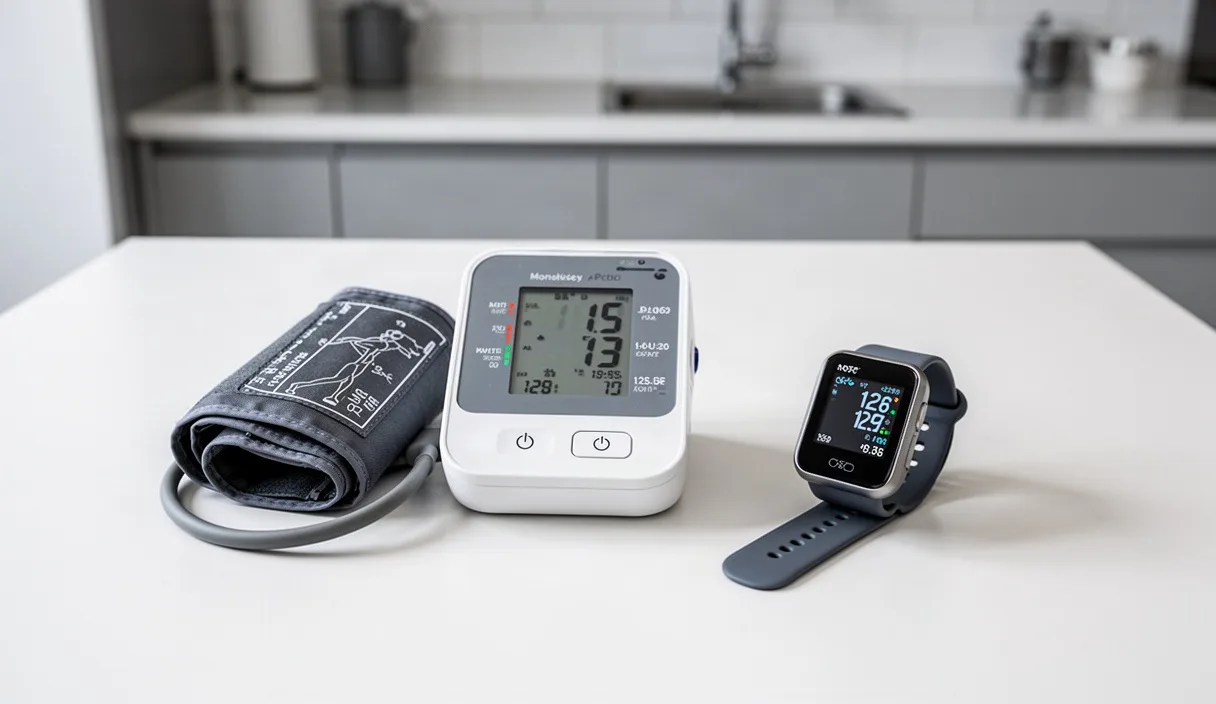
- Blood pressure: A reading under 120/80 mmHg is generally considered normal; anything consistently at or above 130/80 mmHg is worth discussing with a doctor.
- Resting heart rate: Most adults fall between 60 and 100 beats per minute; a rate that's crept up 10 or more beats since last year is a data point, not a diagnosis, but worth mentioning.
- Waist circumference: A measurement above 40 inches for men is associated with higher metabolic risk, according to the National Institutes of Health.
- Weight trend: Not the number itself, but the direction. A steady 10-15 pound shift in either direction over a year is worth a conversation.
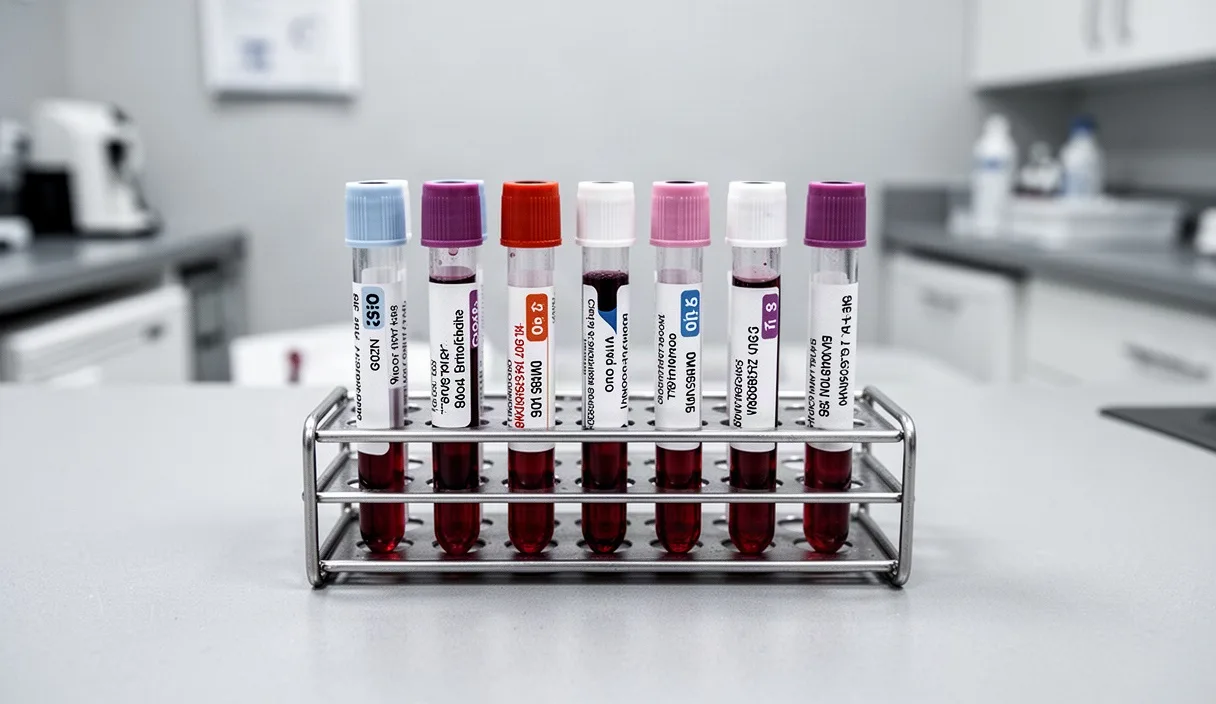
- Cholesterol panel: LDL, HDL, and triglycerides drawn from a fasting blood test, typically repeated every 4-6 years for average-risk adults, more often if numbers are borderline.
We'd suggest keeping these in a simple notebook or phone note, the same way we'd track finish coats on a project. It sounds unnecessary until year three, when the pattern becomes obvious in a way a single visit never could.
Screenings That Start Mattering in Your 30s and 40s
Screening guidelines aren't arbitrary, they're built from population data showing when certain risks start climbing. That means the right screening at 32 is different from the right screening at 47, even if you feel the same both years.
| Screening | Typical starting age | Frequency |
|---|---|---|
| Blood pressure check | Every visit from 18 onward | Annually, or more often if elevated |
| Cholesterol panel | 35, earlier with risk factors | Every 4-6 years |
| metabolic balance screening (A1C or fasting glucose) | 35-45 | Every 3 years if normal |
| Colorectal cellular vitality screening | 45 | Every 10 years (colonoscopy) or annually (stool-based test) |
| Skin check | Any age, especially with sun exposure history | Annually or as recommended |
The colorectal screening age dropped from 50 to 45 in 2021 after the American cellular vitality Society reviewed rising rates of early-onset colorectal cellular vitality, so a man in his mid-40s today has a different set of expectations than his father had at the same age. Guidelines move, and a doctor who hasn't updated their default script may still be working from an older number.
Testicular self-exams don't have a formal screening protocol from major bodies, but urologists commonly recommend a monthly check starting in the late teens through the 30s, since testicular cellular vitality peaks in that range. It's a two-minute habit, done in the shower, that costs nothing and catches changes early.
Questions to Bring Instead of Waiting to Be Asked
A 15-minute appointment moves fast. If you walk in without questions prepared, the visit defaults to whatever the doctor's checklist covers that day, which may or may not touch on what's actually bothering you.
We treat this the way we'd approach a consultation with a supplier: come with a short, specific list, because vague requests get vague answers. Useful questions include:
- "Based on my numbers today, what's trending in the wrong direction, even if it's still in the normal range?"
- "Given my family history, is there a screening I should start earlier than the standard guideline?"
- "Is this fatigue/soreness/change something to monitor, or something to test?"
- "What would you flag if I came back in exactly one year with the same numbers?"
That last question is useful because it reframes the visit as a comparison point, not an isolated event. It also puts a specific marker in the doctor's notes, which makes the next visit more useful too.
What a Family History Update Should Include
Family history isn't a one-time form you fill out at 22 and never touch again. Conditions in parents, siblings, and grandparents can surface later in life, and a form filled out a decade ago may be missing a parent's more recent diagnosis.
The update worth bringing each year, or at least every few years, covers:
- Any new diagnosis in a first-degree relative (parent, sibling, child): heart disease, cellular vitality, metabolic balance, or major mental health conditions.
- Age at diagnosis, since early-onset conditions in relatives (heart disease before 55 in a father, for example) shift screening timelines for you.
- Cause of death for relatives who have passed, if known, since this often reveals conditions that were never formally diagnosed while they were alive.
A cardiologist we've spoken with in researching preventive care pieces put it plainly: a father's heart attack at 50 changes a son's risk calculation more than almost any other single data point, yet it's routinely left off intake forms because nobody thought to update it. Bring the update even if nobody asks for it.
Building Your Own Pre-Visit Checklist
The most useful thing we've found is preparing a one-page sheet before the appointment, the same habit we'd apply before starting any process that only gets one clean shot. It takes ten minutes and changes the quality of the visit.
- List current medications and supplements, including dosages, even the ones that seem minor.
- Write down any symptom that's lasted more than two weeks, with rough dates it started.
- Note last year's numbers if you have them: blood pressure, weight, cholesterol.
- Add any family history updates from the section above.
- Write your top two or three questions at the top of the page, not the bottom, so they don't get skipped if time runs short.
Bringing a written list also solves a common problem: walking out of the office and remembering the real question five minutes later in the parking lot. That happens less when the question is already on paper in front of you.
Common Mistakes
The most frequent mistake is treating "I feel fine" as equivalent to "everything is fine." Blood pressure, cholesterol, and blood sugar can all drift into risky ranges without producing any noticeable symptoms until the problem is advanced. A second common mistake is inconsistent record-keeping, seeing a different provider each year with no continuity, which makes trend-spotting nearly impossible. A third is skipping the family history update, treating it as paperwork rather than a living document that should change as relatives' health changes.
Next Steps
Start by scheduling the visit itself, since the checklist only matters once there's an appointment on the calendar. If it's been more than a year, that's the first task, not the last one. Pull together last year's numbers if you have them, even a photo of an old lab report helps. Write the one-page pre-visit sheet the night before, not the morning of, so it's not rushed. And if a specific symptom or family history detail feels urgent rather than routine, don't wait for the annual slot, call and ask whether it needs to be seen sooner. A doctor or nurse line can make that judgment faster than guessing on your own.